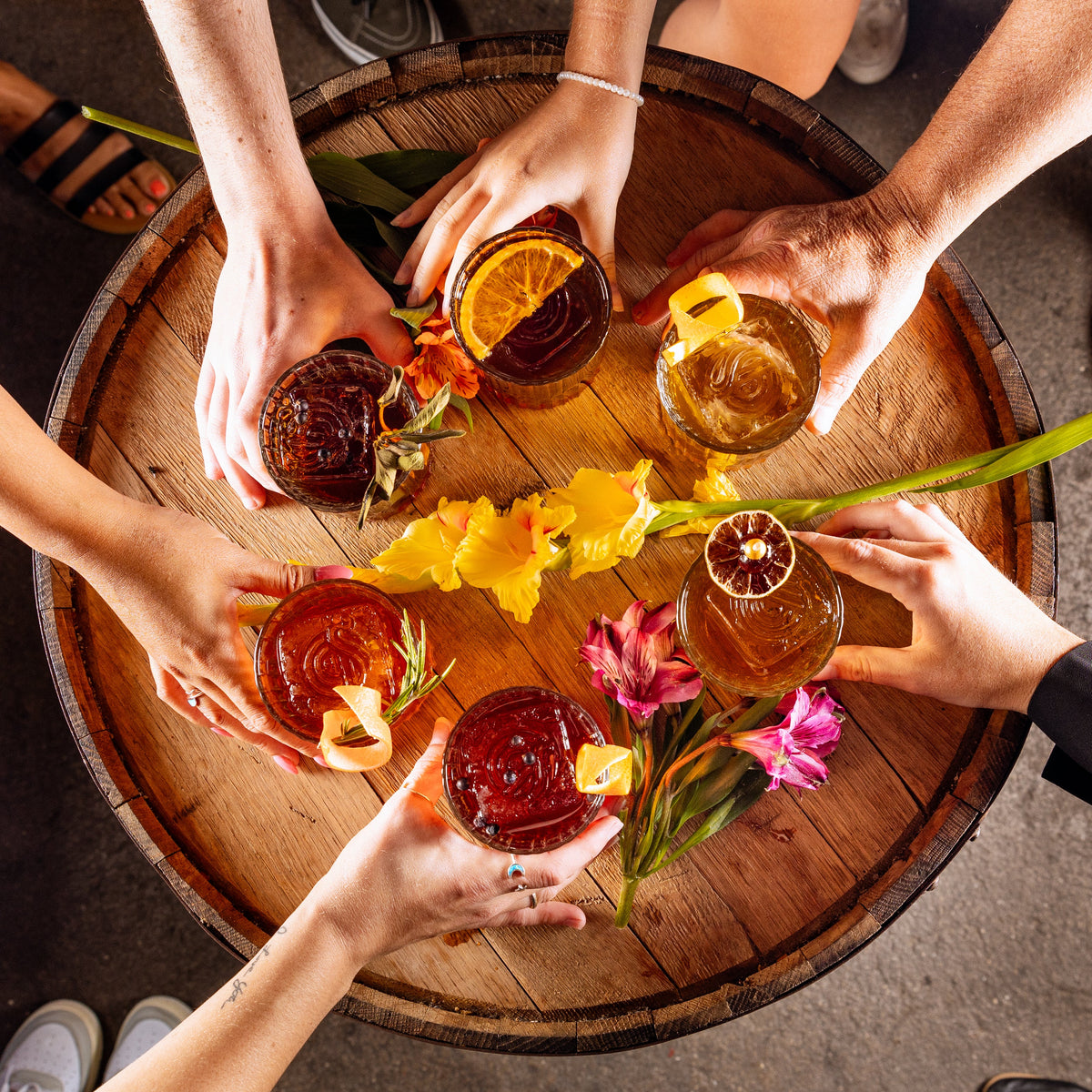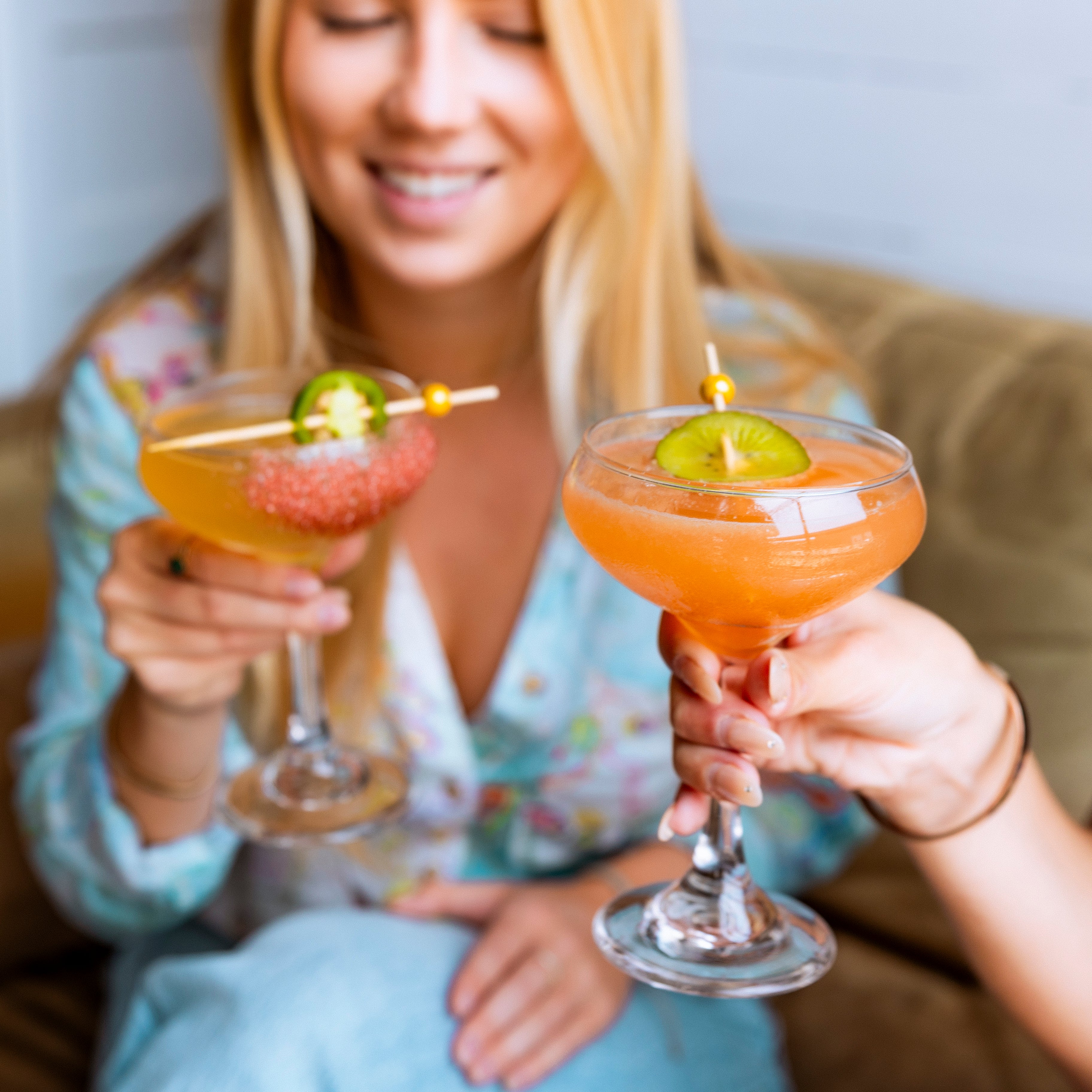
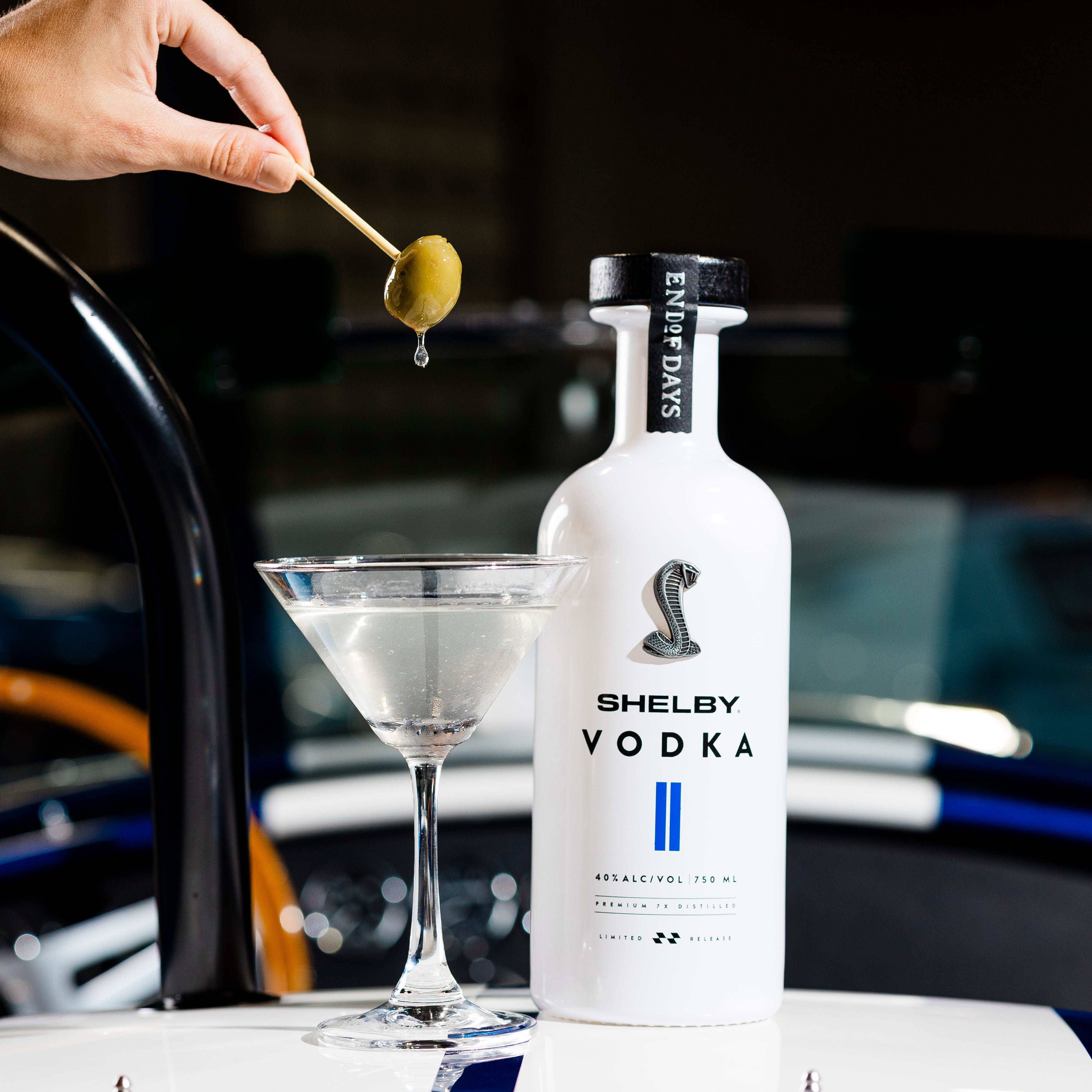
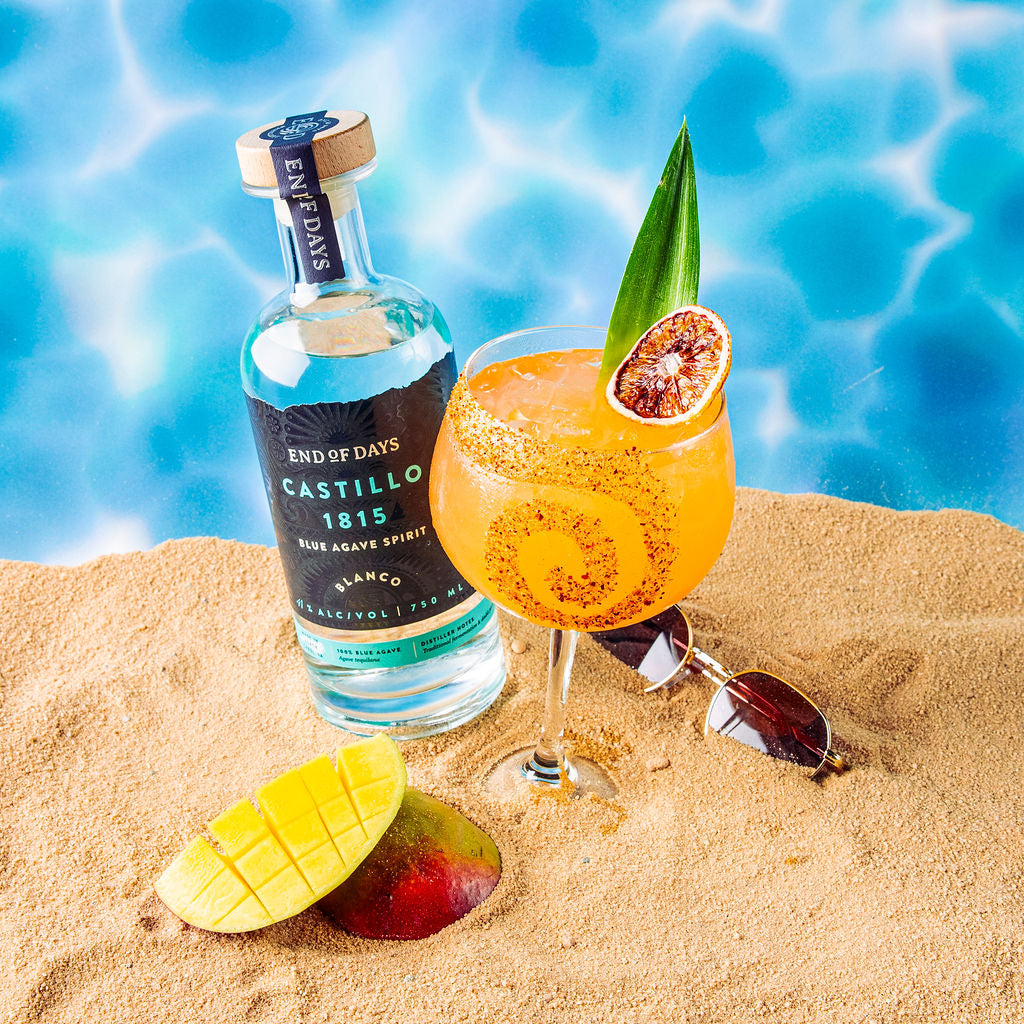
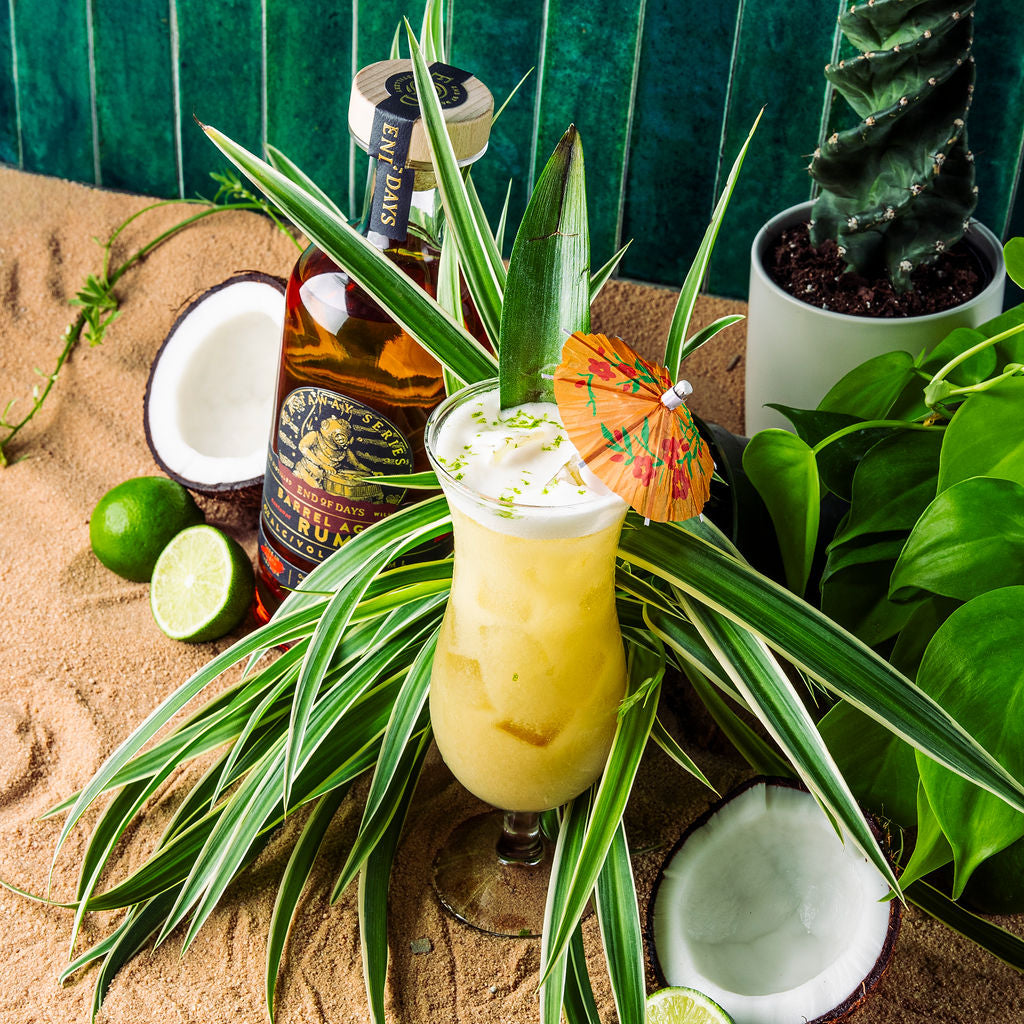
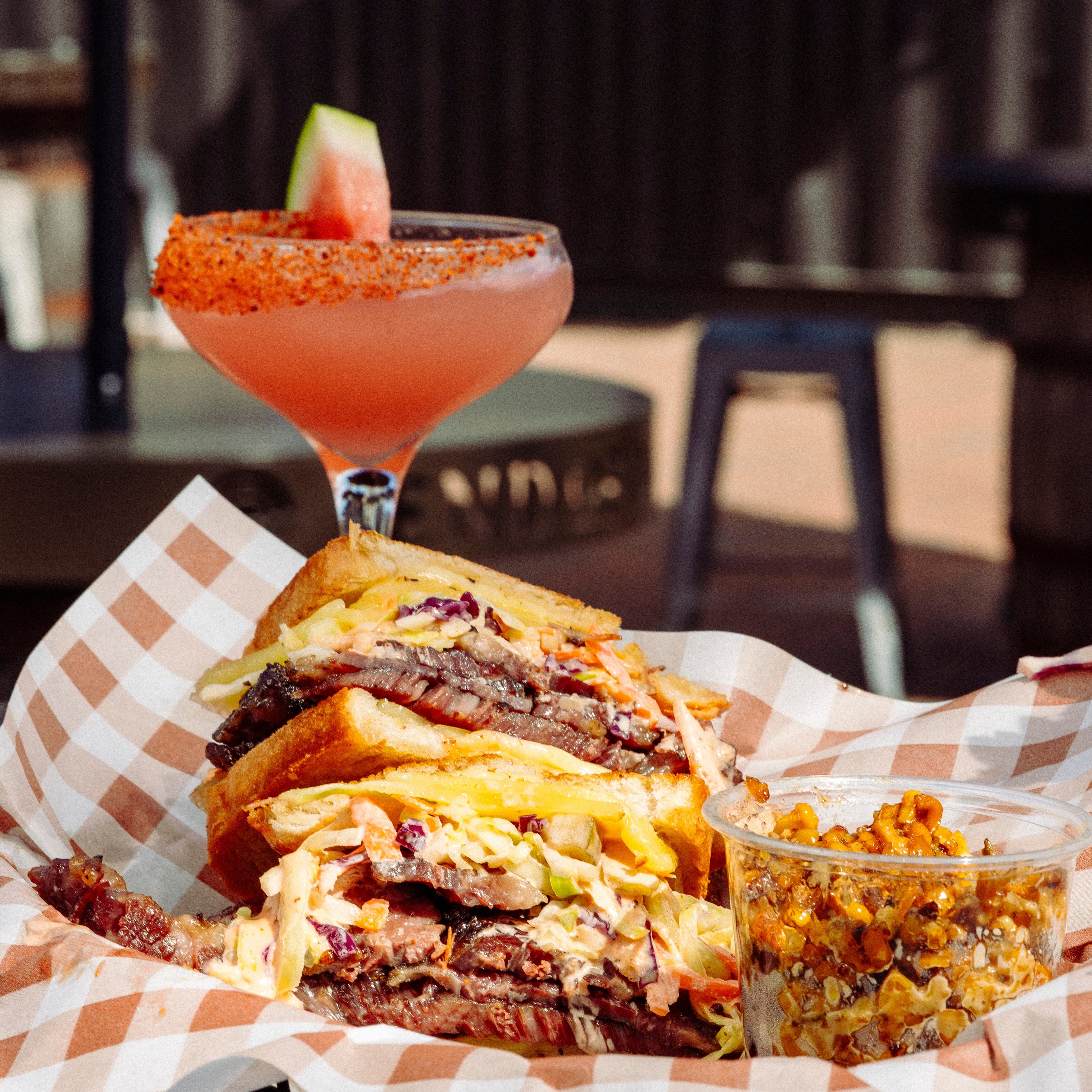








The art of cocktail creation begins with decisions. What spirit do you want to use? What flavors do you want to highlight? And which ingredients will best support the cocktail you’re trying to create?
My first step when creating a new cocktail is usually to make one decision: Choose one ingredient that excites me or inspires me, and build from there.
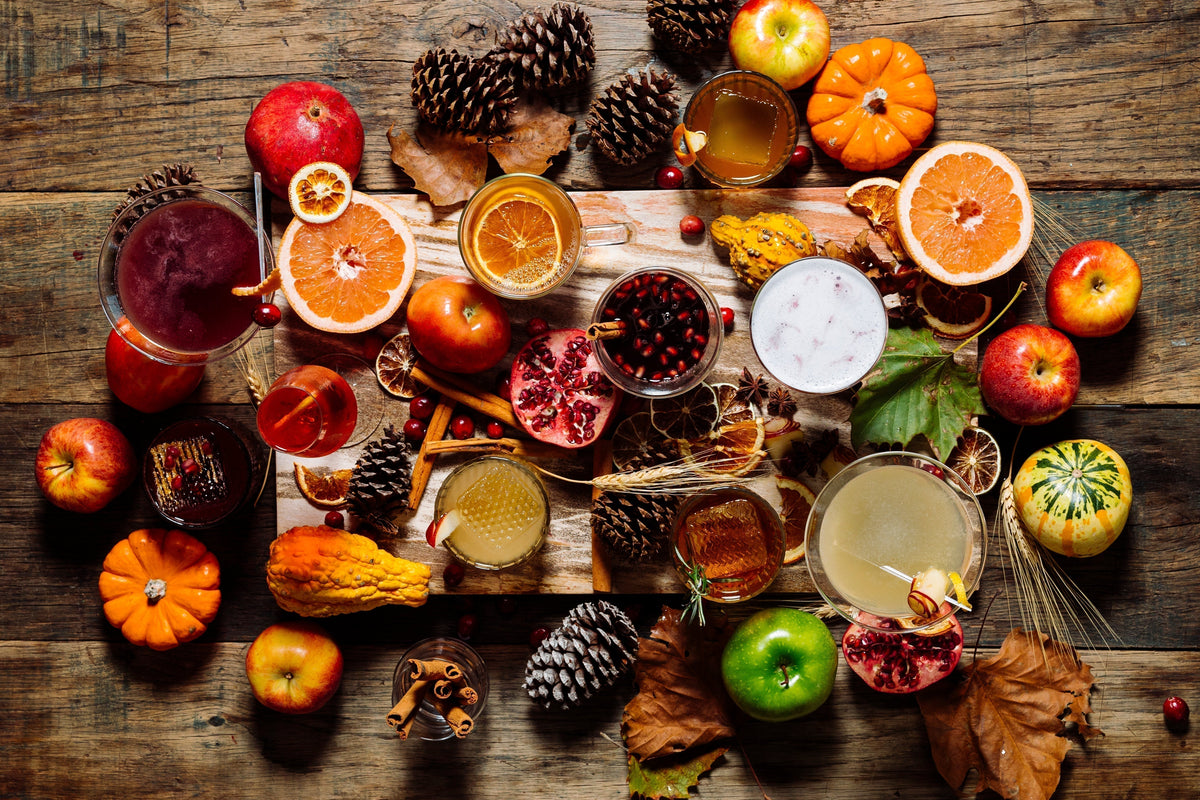
Maybe I want gin to be the star of the cocktail. I’ll start there and build around it. Or, now that September has arrived and autumn is right around the corner, I might browse around the grocery store and see what ingredients are coming into season. Around this time of year, apples and pears are at their peak, alongside figs, pomegranate, and other classic autumn ingredients. It’s no coincidence that we associate these fruits with autumn. They’re naturally at their freshest and most abundant this time of year.
You’ll begin to notice this on cocktail menus, too. The best cocktail menus are created with intention. As the seasons change, so do the freshest ingredients. Summer cocktails might feature watermelon, cucumber, berries, and other bright, refreshing flavors. As we move into autumn, those ingredients begin to make way for apples, pears, figs, pomegranate, warm spices, and richer flavors.
This is one of the little signs that a bar or cocktail lounge cares about the quality of the product they’re putting in front of you.
So, how does this apply to you?
Have you ever read a cocktail menu and thought, that sounds incredible, only to take your first sip and feel like something is missing?
Maybe the menu says peach, but when you taste the drink, the peach is there, technically, but it doesn’t immediately taste like the fresh peaches you were expecting.
Then there are those cocktails where you take one sip and immediately understand what the drink is trying to tell you. You can taste the ingredient the bartender was trying to highlight. The peach actually tastes like peach. The citrus tastes fresh. The herbs are bright and fragrant. You can tell that the ingredients were chosen with intention and allowed to shine.

This is the impact that fresh and intentional ingredients have on your palate and your overall experience.
Yes, it is much easier to go to the store and buy simple syrup or premade lime juice than to make your own. But once you start making your own fresh juices, syrups, and other ingredients at home, you’ll begin to notice the difference. You’ll start to understand what quality ingredients actually taste like and appreciate them more when you encounter them.
And making your own cocktail syrup is much simpler than you might think.
You don’t need fancy equipment. You probably already have everything you need in your kitchen.
Let’s start with Simple Syrup, which is just that: simple.
You only need two ingredients: Sugar and Water.
A basic 1:1 simple syrup uses equal parts sugar and water. If you have a kitchen scale, measuring in grams will give you the most consistent results, but you can absolutely make a great syrup without one.
For a small batch, combine:
- 1 cup water
- 1 cup granulated sugar
Add both to a saucepan over medium heat. Stir until the sugar has completely dissolved. This should only take a few minutes. Remove from heat and allow the syrup to cool completely before using.
That’s it.
Granulated sugar is the most basic version of simple syrup. It adds sweetness without bringing much additional flavor to the cocktail.
But you don’t have to use granulated sugar.
Brown sugar adds warm, caramel-like flavors from its molasses content, creating a deeper and richer syrup. Demerara sugar is another great option. It’s a minimally refined sugar and retains a small amount of the molasses and caramel characteristics of the sugar cane.
Demerara can also be a great option. It adds more depth than granulated sugar without bringing as much molasses flavor as brown sugar.
You’ll often see demerara syrup used in spirit-forward cocktails like an Old Fashioned, but it can also add an interesting layer of flavor to something as simple as a classic Daiquiri.
Another variation on the basic 1:1 simple syrup recipe is a 2:1 rich simple syrup.
Instead of equal parts sugar and water, you use two parts sugar to one part water. The result is a thicker, richer syrup that adds more sweetness with less dilution.
For a small batch:
- 1 cup sugar
- ½ cup water
A rich simple syrup can be particularly useful in cocktails like an Old Fashioned, where you want sweetness and texture without adding as much additional water to the drink.
Now, for the fun part. Once you understand how to make a basic simple syrup, you can start sprucing it up with different flavors.
This is where the possibilities become almost endless. You can use: herbs, fruits, vegetables, spices, tea, coffee, citrus peels, flowers, ginger, vanilla, peppers, and just about anything else that inspires you.
The most important thing to understand when adding ingredients to your syrup is how that ingredient behaves.
Herbs and flowers like lavender and rosemary are delicate. Too much heat or too long of an infusion can cause them to lose their fresh character or become bitter. More structured ingredients, like cinnamon, can withstand heat and longer infusion times.

When infusing delicate ingredients, I recommend making your simple syrup first, allowing the sugar to completely dissolve before adding your ingredients.
Once the syrup is warm rather than hot, add your herbs and flowers and let them steep like tea for 20-30 minutes. Strain and allow the syrup to cool completely.
If you have time, you can also experiment with a cold infusion. Allow the simple syrup to cool completely before adding your herbs and flowers to the cold simple syrup. Let them infuse in the refrigerator for 12-24 hours before straining out.
The longer an ingredient infuses, the more intense the flavor will become, so make sure you taste as you go.
How much should you add?
There isn’t one perfect amount because every ingredient is different.
As a general starting point, for every 1 cup of sugar and 1 cup of water, add:
- ½-¾ cup fresh fruit
- ¼-½ cup fresh herbs
- 1 tbsp dried herbs or spices
These ratios are a general starting point. Taste as you go and adjust the amount of your ingredient or the infusion time depending on how intense you want the final flavor to be.
I’ve included recipes for a few of my favorite syrups to make at home: Simple Syrup, 2:1 Rich Simple syrup, Honey-Chamomile Syrup, Lavender Syrup, and Chai Syrup.
Now, it’s time to make it your own.
The best cocktail syrups aren’t necessarily the most complicated ones, they’re the ones that have a purpose in the cocktail.
Start by thinking about the spirit you’re working with. What flavors are already there? What could complement them?
A botanical gin might love something floral and herbal, like lavender. Bourbon can handle rich caramel, coffee, spice, or fruit. Tequila works well with bright and tropical flavors, savory ingredients, or smoky and spicy additions.
Once you start thinking this way, making cocktail syrups becomes less about following recipes and more about building flavor and character.
This is where the real fun and creativity begins.
A store-bought bottle of simple syrup is convenient, but there’s something different about making one yourself and choosing exactly what flavors you want in your cocktail.
The more you make your own ingredients, the more you’ll start to notice the difference in other cocktails too. From fresh fruit and herbs to freshly squeezed citrus and warming spices.
Once you learn to taste the difference, you’ll start noticing it everywhere.
Recipes
Simple Syrup
Ingredients
- 1 cup sugar
-
1 cup water
Directions
- Combine water and sugar in a saucepan over medium heat.
- Stir continuously until the sugar is dissolved.
- Take off the heat and let cool completely before using.
Notes: You can substitute Granulated, Brown Sugar, or Demerara Sugar depending on the flavor you wish to extract.
2:1 Simple syrup
Ingredients
- 1 cup sugar
-
½ cup water
Directions
- Combine water and sugar in a saucepan over medium heat.
- Stir continuously until the sugar is dissolved.
- Take off the heat and let cool completely before using.
Notes: You can substitute Granulated, Brown Sugar, or Demerara Sugar depending on the flavor you wish to extract.
Lavender Syrup
Ingredients
- 1 cup sugar
- 1 cup water
- 1 tbsp lavender
- Optional: small pinch of butterfly pea flower
Directions
- Combine water and sugar in a saucepan over medium heat.
- Add lavender and optional butterfly pea flower.
- Stir continuously until the sugar is dissolved.
-
Take off the heat and strain out the lavender. Let cool completely before using.
Notes: When cooked down, lavender loses its color, so adding a pinch of butterfly pea flower creates that beautiful purple color. It does not change the flavor of the syrup so it’s optional.
Honey-Chamomile Syrup
Ingredients
- ½ cup honey
- 1 ¼ cup water
- 1 ½ tsp dried chamomile
- 1 ½ tsp vanilla extract
Directions
- Combine water and chamomile in a saucepan over medium low heat and steep for 10 minutes.
- Strain out the chamomile and add the steeped water back into the saucepan with the honey over medium heat.
- Stir until the honey is fully dissolved and incorporated.
- Take off the heat and add the vanilla extract. Let cool completely before using.
Chai Syrup
Ingredients
- 1 cup water
- 2 ½ tbsp black tea
- 1 Whole Star Anise
- 2 tbsp green cardamom pods
- 2 tbsp whole cloves
- ½ tsp black peppercorn
- 1 cinnamon stick
- ½ inch ginger root, lightly chopped
- ¾ cup sugar
Directions
- Combine water and black tea in a saucepan over medium heat.
- Lightly crack the green cardamom pods in a mortar and pestle and add to the pot with the cloves, black peppercorn, cinnamon stick, ginger root, and star anise.
- Let everything steep for 10 minutes, then add the sugar.
- Stir until the sugar has dissolved and remove from heat.
- Strain the tea and spices from the syrup and let cool completely before using.