






What is the first thing you think of when you hear the word Martini?
Maybe it's a dirty vodka Martini with olive brine. Maybe it’s a stirred gin Martini with a lemon twist. Or maybe it’s an Espresso Martini.
How can one word hold so many different meanings?
If you order a cocktail at a bar, it’s usually self-explanatory. A Negroni is a Negroni. Order a Mai Tai and you generally know what’s coming your way.
But order a Martini, and suddenly it feels like you’re taking a pop quiz with all the follow-up questions.
“Vodka or gin?”
“Dry?”
“Dirty?”
“Olive or a twist?”
“Shaken or stirred?”
Cocktails are a very personal experience. Everyone has a different palate and different flavors they enjoy, which is why these questions are necessary. But it does make you wonder: why can most cocktails be ordered by name alone, while a Martini seems to require an entire conversation?
A lot of it comes down to the Martini’s history, and how much that history has changed over time.
Where did the Martini come from?
Just like many classic cocktails created during the 19th and early 20th centuries, the true origin of the Martini was never formally documented.
Although, there are several theories about where it came from, and none can be definitively proven.
One popular theory is that the Martini evolved from the Martinez, a cocktail crafted by a hotel bartender in San Francisco, California. He was asked to come up with a special cocktail for a traveler passing through on his way to Martinez, California, which is where this cocktail got its name.
The Martinez was made with Old Tom gin, sweet vermouth, bitters, and maraschino liqueur. Old Tom gin was a sweeter style of gin that was especially popular during this period, before London Dry gin eventually became the dominant style.
Another story places the Martini origin at New York City’s Knickerbocker Hotel in the early 1900s, where a bartender is said to have created a Martini for a wealthy guest. That version used London Dry gin, dry vermouth, bitters, lemon peel, and an olive.
There are plenty of other theories, too, but like many classic cocktails from this time period, perhaps the classic recipe we know today evolved from many different sources.
Rather than having one definitive recipe created by one person, the Martini seems to have evolved alongside the people drinking it and the culture at the time. Different bartenders, different cities, different spirits, and different tastes all played a part in shaping the cocktail we know today.
Which brings us back to those questions you get asked at the bar.
If the Martini itself has never had one universally agreed on definition, it makes sense that everyone would have their own interpretation of what a Martini should be.
Before we get into some of those variations, though, let’s talk about technique.
Shaken or Stirred
Traditionally, a Martini is meant to be stirred.
The reason comes down to texture and dilution. Gin was the original spirit in most of these recipes where the Martini is thought to have originated. Gin is an aromatic spirit, and stirring chills the cocktail while gradually adding dilution without incorporating as much air as shaking does. The result is a smooth, silky cocktail that lets the gin’s botanical character shine.
Vodka doesn’t have the same botanical structure, so the argument for stirring is a little different.
As with most cocktail ‘rules,’ though, they don’t always need to be treated like laws. It all comes down to personal preference.
If you like your gin Martinis shaken, shake it.
“Shaken, Not Stirred.”
Of course, we can’t talk about Martinis without talking about James Bond.
“Shaken, not stirred” became an iconic cocktail phrase in pop culture, thanks to Bond’s preference for a shaken Martini.
Technically, the Martini in question is a Vesper Martini which is a tad different from the classic Martini. The original recipe, introduced in Casino Royale, calls for gin, vodka, and Kina Lillet, a French wine-based aperitif.
Shaking instead of stirring, chills the cocktail quickly and creates more dilution, along with a slightly different texture and appearance.
There are plenty of theories about why Bond orders his Martini this way. Some have suggested the extra dilution was intended to make the drink less potent, while others simply see it as part of Bond’s character.
Personally, I like to think Bond was having a little fun with cocktail culture and rejecting the pretentious nature that sometimes comes with it.
There are people who take the “correct” way to enjoy a cocktail very seriously. But considering the Martini itself has spent more than a century changing and evolving, I’m not sure there has ever been one correct way to drink it.
And if James Bond wants his shaken, who am I to argue?

Martini Terminology
Now that we’ve established that the Martini cocktail can be enjoyed correctly many different ways, let’s talk about what these words actually mean and how to order.
Dry Martini
This term is interesting because it seems a little backwards.
You might assume that a “dry” Martini means more dry vermouth. But actually, the opposite is true. A dry Martini contains less dry vermouth.
A modern Martini might contain anywhere from about ¼ to ½ ounce of dry vermouth, depending on how you like it. If you want your Martini extra dry, you can use even less or none at all.
One technique is to add a small amount of vermouth directly into your chilled Martini glass, swirl it around to coat the inside, and discard the excess before pouring in the cocktail. This is called a vermouth rinse.
On the other end of the spectrum is a wet Martini, which simply means you want more vermouth. This might be ¾ ounce, 1 ounce, or even more depending on your preference.
And yes, the amount of vermouth can make a surprisingly big difference in the final cocktail.
Dirty Martini
A dirty Martini is a relatively newer Martini variation that adds olive brine to the cocktail.
You can make a Dirty Martini with gin or vodka, and you can still include dry vermouth, or leave it out entirely.
My general rule of thumb is about ½ to 1 ounce of olive brine for a Dirty Martini. If you like it extra dirty, you can push that to 1 to 1 ½ ounces or even 2 ounces.
Basically, if you really like olives, don’t be afraid to commit.
Make it Skate
There’s another bit of Martini terminology you might come across, particularly when ordering a shaken Martini.
A hard shake creates tiny ice chips that can make their way into the finished drink. Some bartenders will double strain a shaken Martini using a Hawthorne strainer followed by a fine mesh strainer to catch those little pieces of ice. The result is an especially smooth and silky cocktail.
But some people actually like those tiny ice chips.
If that’s you, you may hear the phrase “make it skate.” It’s a playful way of asking the bartender to strain the cocktail with only a Hawthorne strainer, leaving some of those tiny ice chips behind. They float across the surface of the cocktail, creating a thin, icy layer that resembles an ice skating rink. Hence the name.
Personally, I think it’s one of those little pieces of cocktail terminology that makes ordering a drink a little more fun.
The Rise of Vodka Martinis
The Martini changed dramatically as vodka became increasingly popular in the United States during the second half of the 20th century.
Vodka’s relatively neutral flavor made it an easy base for cocktails, and the spirit became heavily associated with modern ideas of sophistication and minimalism that began to emerge in the 90s.
The Cosmopolitan
The Cosmopolitan was originally made with vodka, cranberry juice, lime juice, and triple sec, with a lime twist to garnish.
One commonly told origin story is that the cocktail evolved from the Kamikaze, a combination of vodka, triple sec, and lime juice, with cranberry juice added to give the drink its iconic pink color.
The Cosmopolitan eventually became much more than just another cocktail. Its association with Sex and the City in the 1990s turned it into a cultural icon and helped take its place in cocktail history.
This also opened the door for something that would become a defining part of the cocktail culture of the 90s and early 2000s: the flavored Martini.

The Flavored Martini Era
The 1980s and 1990s gave us an entirely new type of cocktail that borrowed the classic Martini name, even though many of them had very little in common with the original.
There was the Appletini, a bright green cocktail made with vodka, sour apple schnapps, and lemon juice.
The Espresso Martini combines vodka, coffee liqueur, espresso, and simple syrup. For our version, though, we swap the coffee liqueur for Tuaca, an Italian brandy liqueur that adds a little more depth, nuance, and spice to the cocktail.
The Lemon Drop Martini, made with vodka, lemon juice, and simple syrup, usually finished with a sugar rim.
And one of my personal favorites, the French Martini, made with vodka, pineapple juice, and Chambord black raspberry liqueur.
These drinks may not look anything like a classic gin Martini, but they are part of the Martini’s evolution. The name became less about one specific recipe and more about a particular style of cocktail. Chilled, elegant, and served up in a stemmed glass.
Garnishes
Now for one of the most important decisions: how are you finishing your Martini?
An olive is the classic choice. You can have one, several, or even request a blue cheese-stuffed olive if the bar happens to have them.
A lemon twist is another classic option, especially with a gin Martini. The oils from the lemon peel add a bright, aromatic quality to the drink.
And then there are cocktail onions, which brings us into Gibson territory. A Gibson is essentially a Martini with a cocktail onion garnish instead of an olive or lemon twist. Traditionally made with gin and dry vermouth, the onion adds a subtle savory, slightly sweet bite that gives the cocktail a completely different character.
There really isn’t a shortage of ways to finish a Martini. A garnish can completely change the personality of the cocktail. And if you’re going to be asked so many personalization questions when ordering a Martini, you might as well have some fun with it.

My Personal Martini
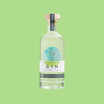
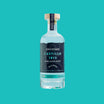
When I’m enjoying a gin Martini, I use Port of Entry Gin, I like it stirred, wet, and finished with a lemon twist.
The extra vermouth lets the gin shine in a different way, and the lemon oils bring out the botanical and citrus notes of the Port of Entry Gin.
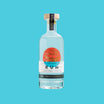
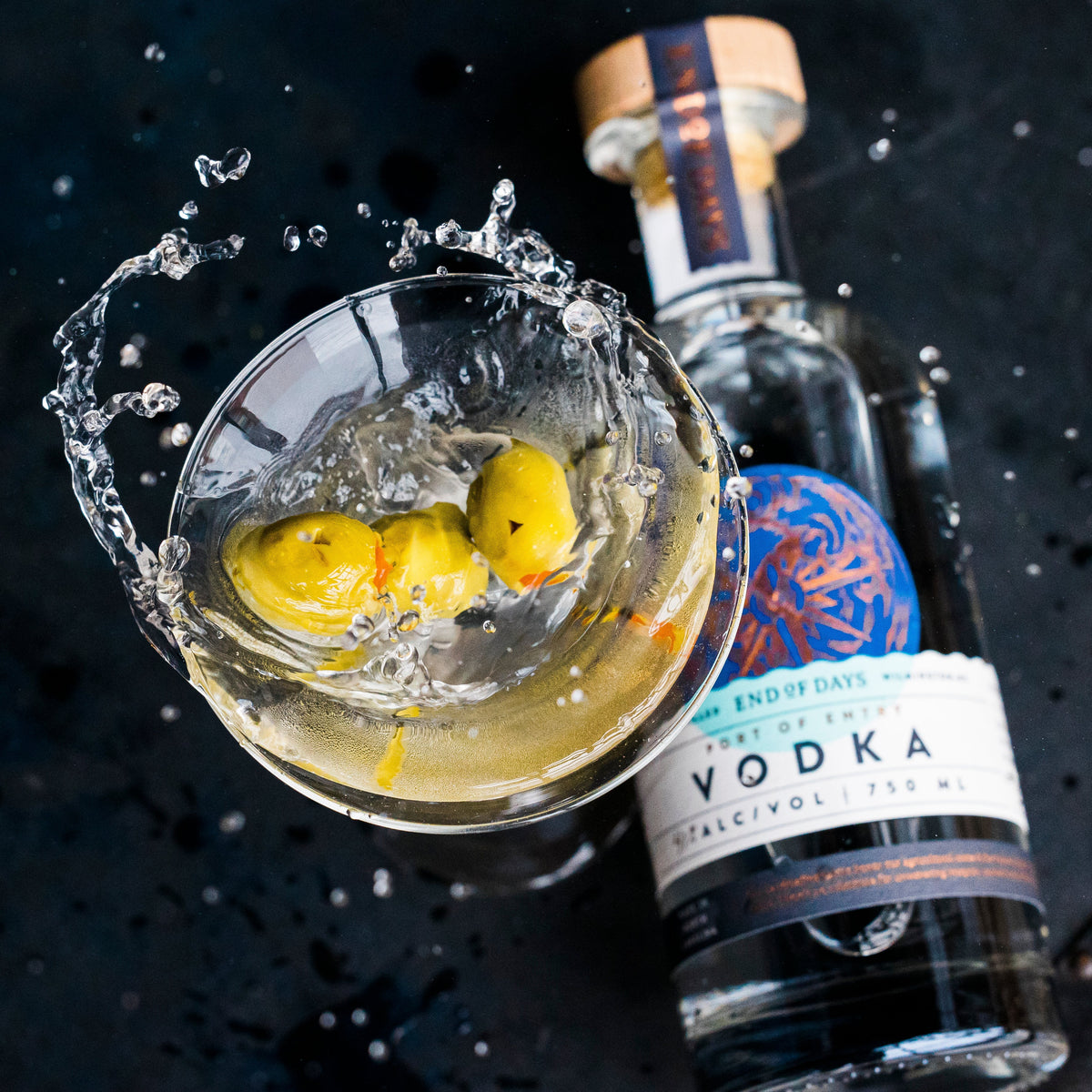
Personally, I like my vodka Martinis extra dirty with Port of Entry Vodka. I love the salty, briny bite that olive juice adds, so I'm not so shy about pouring it in.
And if you want to try Port of Entry Vodka for yourself, it’s on sale throughout the entire month of October. It’s a great excuse to make yourself a Martini and experiment with a few different styles to see what you like!
There is no “Right” Martini
The Martini has accumulated a lot of rules over the years. Gin, not vodka. Stirred, not shaken. And preferences like dry vs. wet, or olive vs. lemon twist.
And while I love learning the history and technique behind cocktails, I don’t think enjoying one “incorrectly” is really accurate.
The Martini has some of the most debated origins in cocktail history. Its ingredients, proportions, base spirits, and garnishes have all changed. Even the word “Martini” itself has expanded to describe cocktails that barely resemble the original.
Maybe the Martini was never meant to be one specific drink. Maybe that’s why ordering one comes with so many questions. It gives you the opportunity to make it your own. And isn’t that what cocktails are all about?
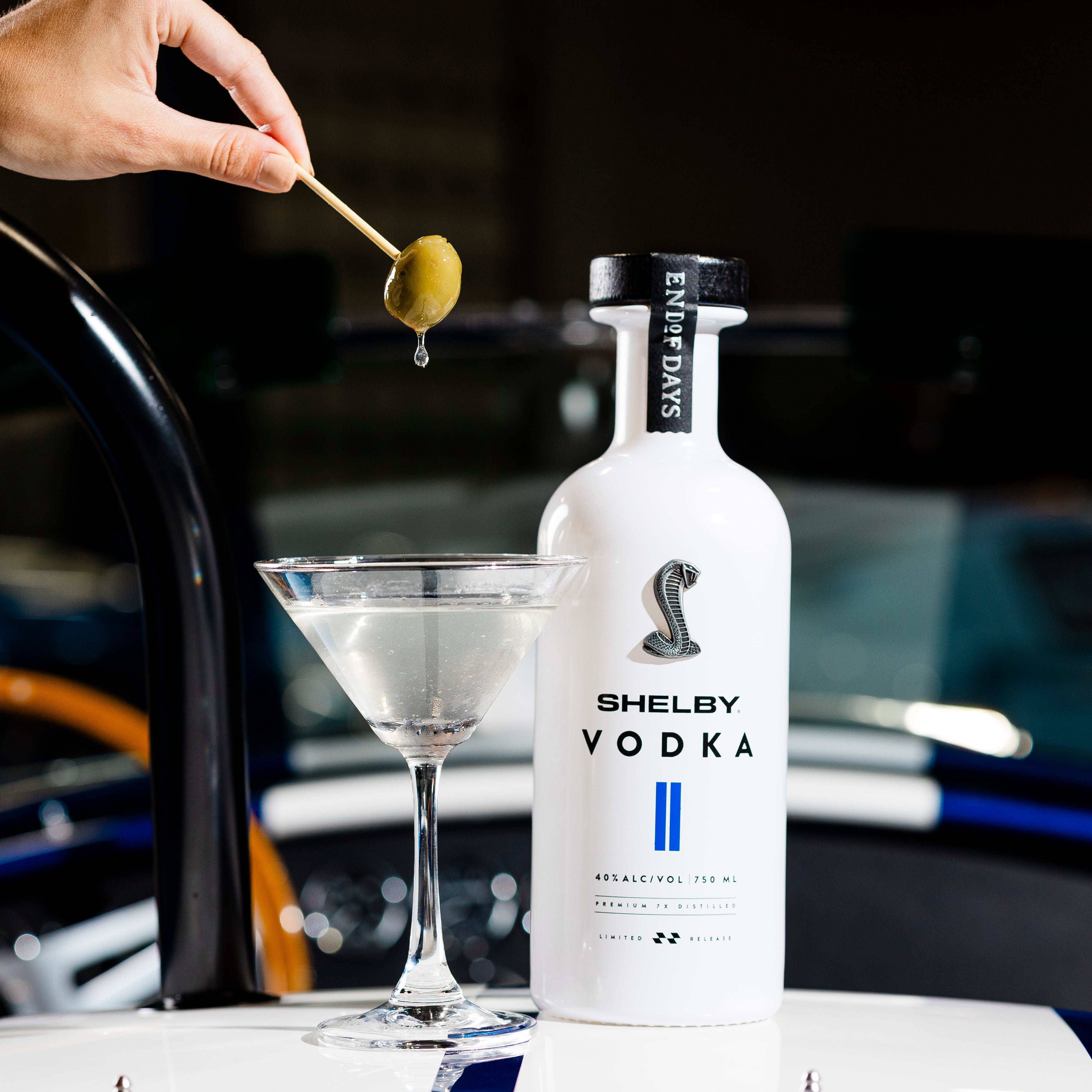
Dirty Vodka Martini
Ingredients
- 2oz Port of Entry Vodka
- 1.5oz Olive Brine
- .25oz Dry Vermouth
Method
- Fill a Martini glass with ice to chill it while you prepare the cocktail.
- Using a jigger, measure the vodka and olive brine into a shaker.
- Fill the shaker with fresh ice and shake hard until the shaker is very cold.
- Pour .25oz of dry vermouth directly into the chilled Martini glass. Swirl it around the glass, then discard the vermouth and ice.
- Using a Hawthorne strainer and a fine-mesh strainer, double strain the cocktail into the Martini glass to remove the extra ice chips.
- Garnish with an olive... or three!
Gin Martini
Ingredients
- 2oz Port of Entry Gin
- 1oz Dry Vermouth
- 2 dashes Orange Bitters
Method
- Fill a Martini glass with ice to chill it while you prepare the cocktail.
- Using a jigger, measure all ingredients into a mixing glass.
- Fill the mixing glass with fresh ice and gently stir with a bar spoon for about 20 seconds.
- Discard the ice from the Martini glass. Using a Hawthorne strainer, strain the cocktail into the chilled glass.
- Express the oils from a lemon peel over the surface of the cocktail by gently squeezing it. Run the peel along the rim of the glass, then drop it into the drink.
Vesper Martini
Ingredients
- 3oz Port of Entry Gin
- 1oz Port of Entry Vodka
- .5oz Lillet Blanc
Method
- Fill a Martini glass with ice to chill it while you prepare the cocktail.
- Using a jigger, measure all ingredients into a mixing glass.
- Fill the mixing glass with fresh ice and gently stir with a bar spoon for about 20 seconds, or take a page from James Bond's book and shake it!
- Discard the ice from the Martini glass. Using a Hawthorne strainer, strain the cocktail into the chilled glass.
- Express the oils from a lemon peel over the surface of the cocktail by gently squeezing it. Run the peel along the rim of the glass, then drop it into the drink.
Cosmopolitan
Ingredients
- 1.5oz Port of Entry Vodka
- 1oz Cranberry Juice
- .5oz Cointreau Orange Liqueur
- .5oz Lime Juice
Method
- Fill a Martini glass with ice to chill it while you prepare the cocktail.
- Using a jigger, add all ingredients into a shaker.
- Fill the shaker with fresh ice and shake hard until the shaker is very cold.
- Discard the ice from the Martini glass. Using a Hawthorne strainer and a fine-mesh strainer, double strain the cocktail into the Martini glass to remove the extra ice chips.
- Express the oils from a lime peel over the surface of the cocktail by gently squeezing it. Run the peel along the rim of the glass, then drop it into the drink.
Espresso Martini
Ingredients
- 1.5oz Port of Entry Vodka
- 1.5oz Cold Brew or Espresso
- .5oz Honey-Chamomile Syrup
- .5oz Tuaca
- 2-3 drops Wonderfoam
Method
- Fill a Nick and Nora glass with ice to chill it while you prepare the cocktail.
- Using a jigger, add all ingredients into a shaker.
- Fill the shaker with fresh ice and shake hard until the shaker is very cold.
- Discard the ice from the Nick and Nora glass. Using a Hawthorne strainer and a fine-mesh strainer, double strain the cocktail into the Martini glass to remove the extra ice chips.
- Garnish with three coffee beans right on top of the foam.
French Martini
Ingredients
- 2oz Port of Entry Vodka
- 1.5oz Pineapple Juice
- .5oz Chambord
Method
- Fill a Nick and Nora glass with ice to chill it while you prepare the cocktail.
- Using a jigger, add all ingredients into a shaker.
- Fill the shaker with fresh ice and shake hard until the shaker is very cold.
- Discard the ice from the Nick and Nora glass. Using a Hawthorne strainer and a fine-mesh strainer, double strain the cocktail into the Martini glass to remove the extra ice chips.
- Express the oils from a lemon peel over the surface of the cocktail by gently squeezing it. Run the peel along the rim of the glass, then drop it into the drink.
- Garnish with fresh raspberries!